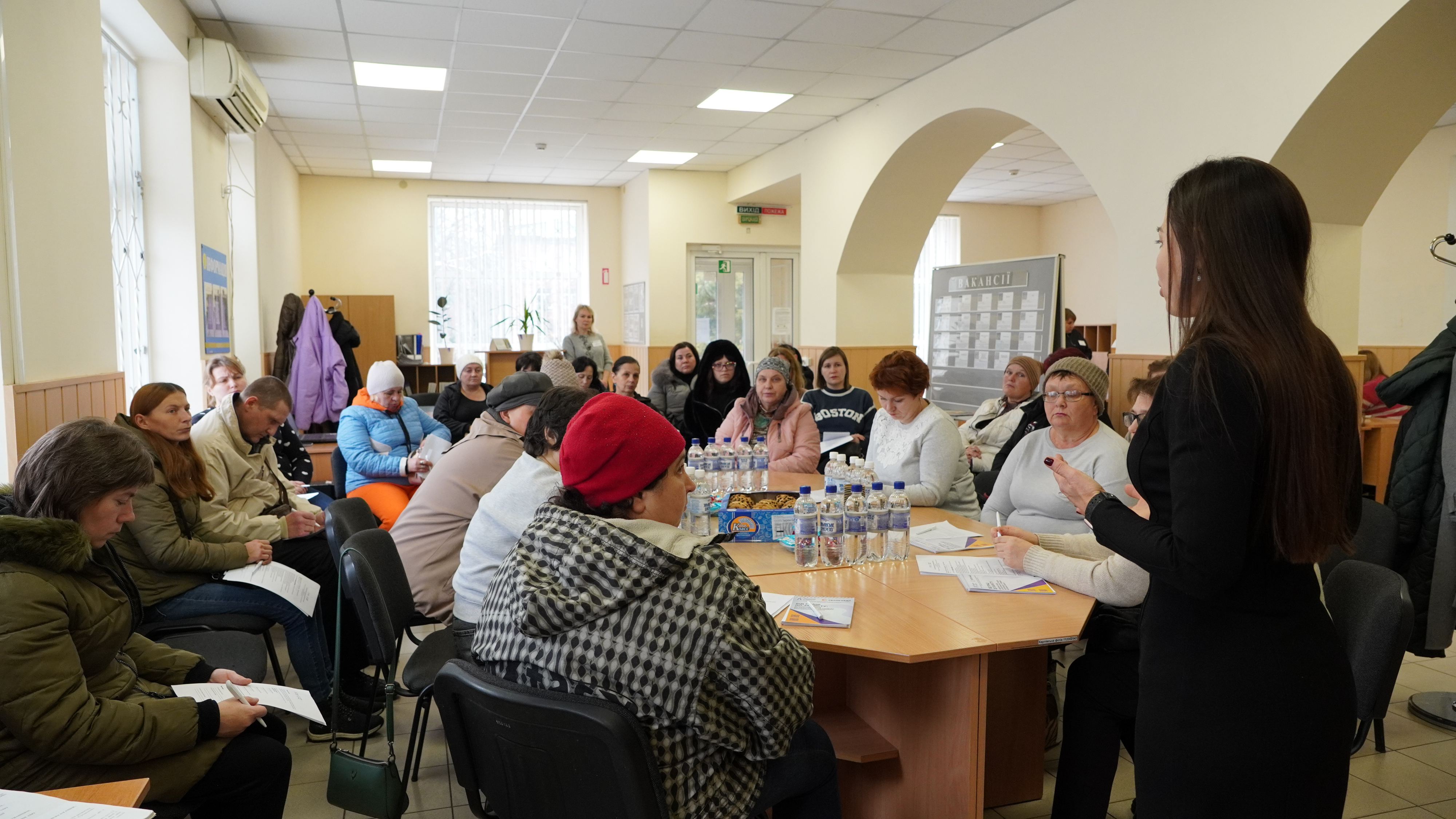
The meetings were held to increase people's legal awareness of employment issues, to protect their rights as employees, and to provide legal advice if necessary. Thus, the visits help protect people from falling into a situation of human trafficking. After all, knowledge of one's rights and protection mechanisms are key tools for preventing human trafficking and exploitation.


The visits took place within the framework of the project "From Labor to Protection: A Mobile Approach to Responding to Labor Exploitation in Communities of Poltava Region", which is implemented by the NGO "Light of Hope" with the support of the international humanitarian organization "People in Need".
The expert explained that human trafficking is a crime that involves the recruitment, transportation, harboring, or use of a person for the purpose of exploitation. Often, people are unaware of the different forms of exploitation, so they believe that it is impossible to punish an employer for deception or to get help.
Signs of labor exploitation - systematic use of a person's labor with violation of their rights for the purpose of obtaining profit:
- work without an employment contract;
- significantly longer working hours without pay;
- non-payment or delay in salary;
- unsafe working conditions;
- withholding part of earnings.
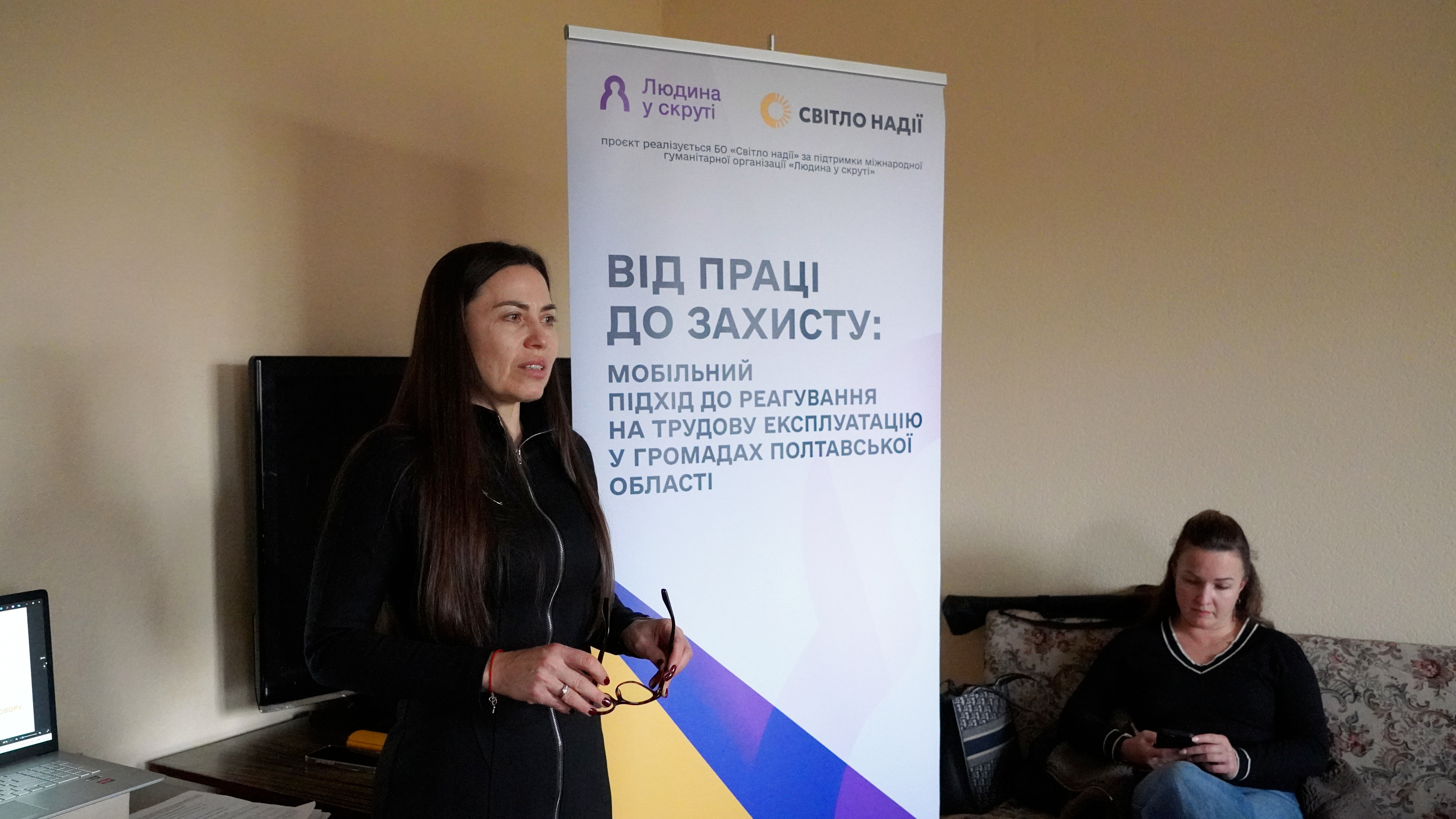

There is also forced labor. This is any work or service that a person is forced to perform under the threat of punishment, violence, blackmail, withholding documents, debt bondage, etc. The key feature is the lack of voluntary consent.
Signs of risky employment:
- lack of an official employment contract;
- promises of "high salaries without experience";
- employer's reluctance to provide written working conditions;
- requirement to pay for "intermediation services", etc.
High-risk groups: unemployed, internally displaced persons, people with low incomes, young people, people looking for work abroad or in other regions of Ukraine. How to protect yourself: check the employer, do not hand over original documents, read contracts carefully, inform loved ones about the place of work and employer contacts.

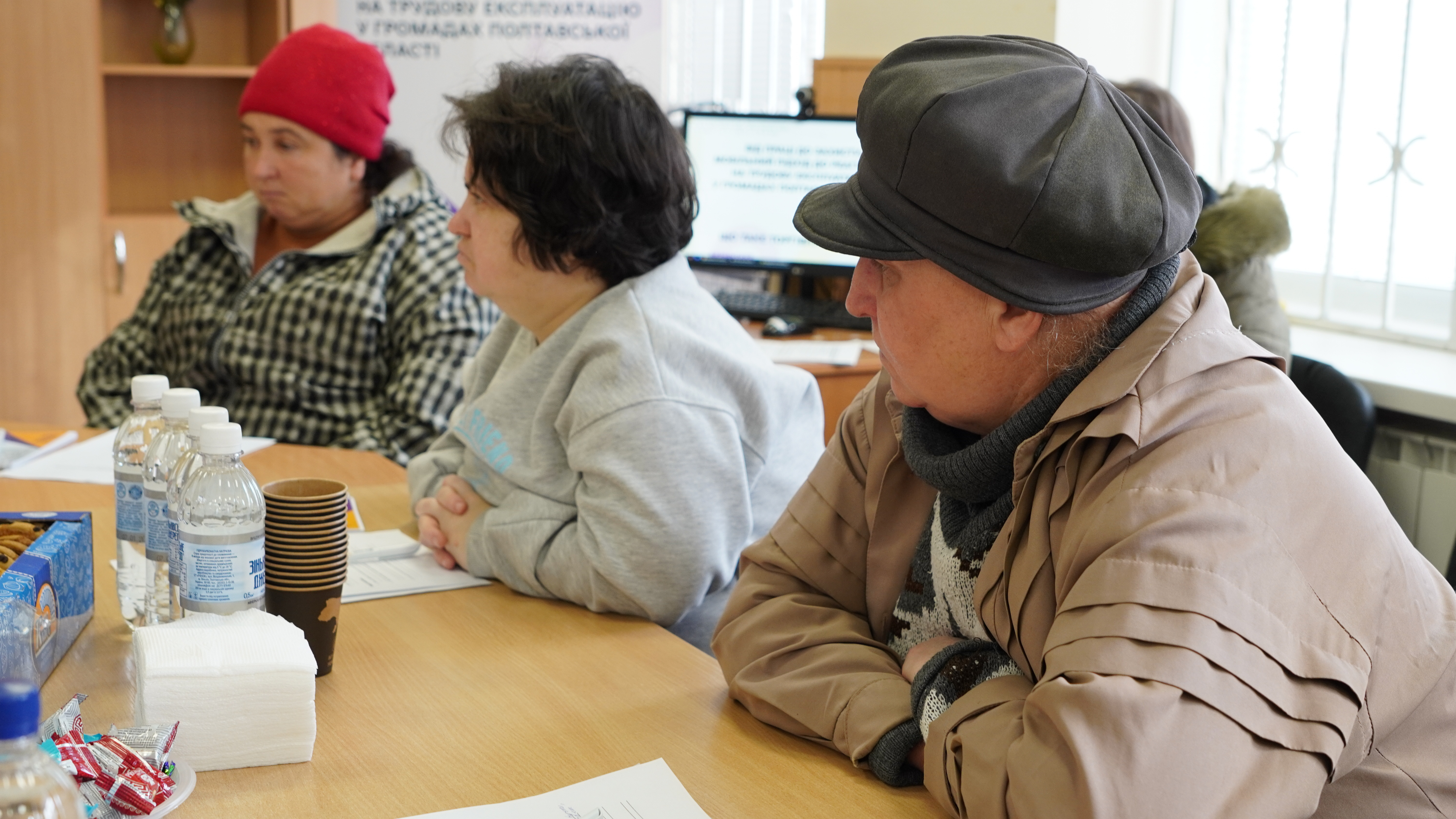
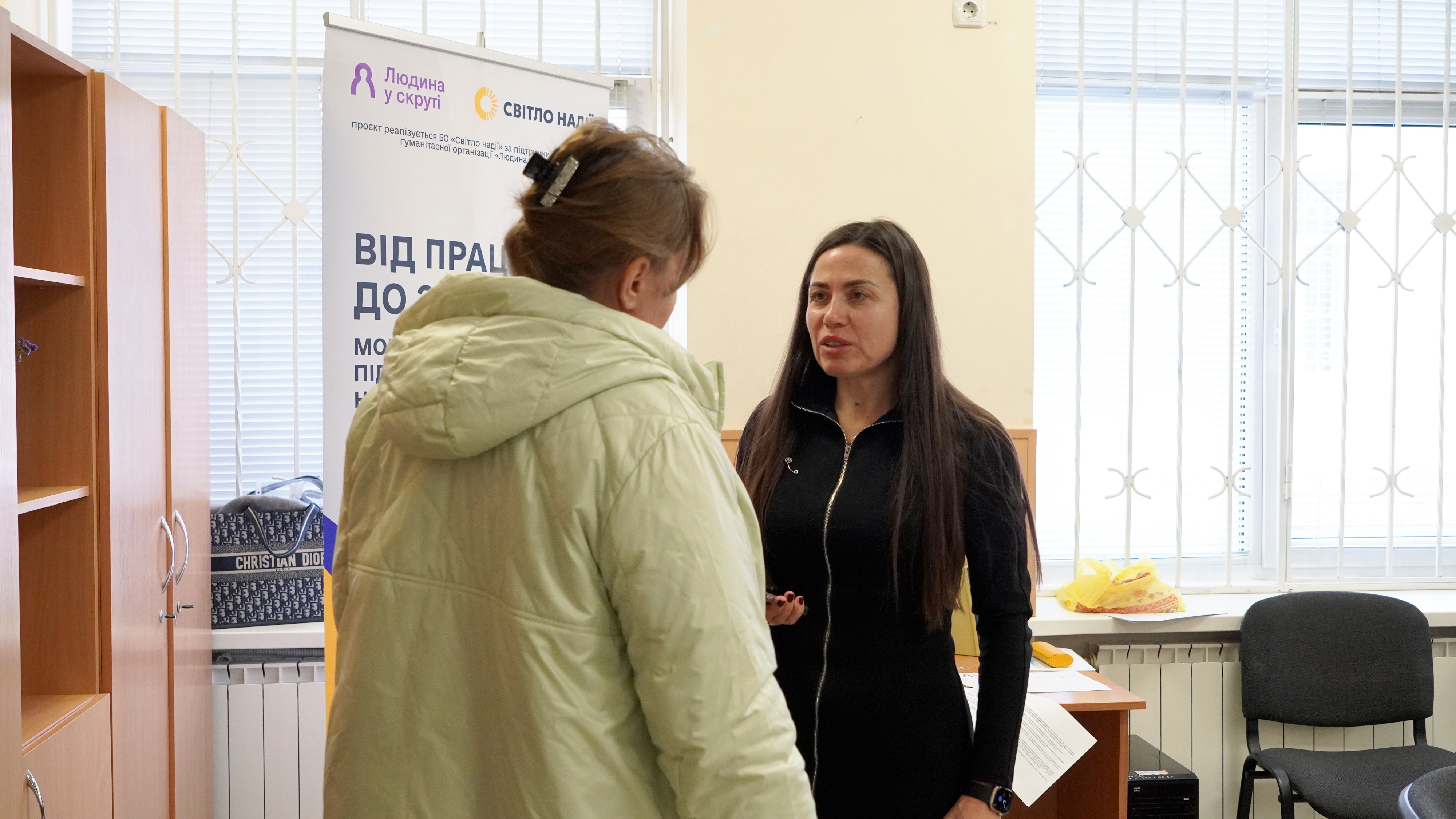
You can contact the following for help: National Anti-Human Trafficking Hotline 15-47, free legal aid centers, law enforcement agencies, and non-governmental organizations.